

An Electrical Installation Condition Report (EICR) is designed to check whether the electrics in a property are safe to use. If you’ve recently had an inspection and been told your property has failed, it can be worrying—especially if the report contains unfamiliar codes and terminology.
This guide explains what makes an EICR fail, the most common issues electricians find, and what homeowners and landlords should do next.
What Does It Mean If An EICR Fails?
An EICR fails when one or more safety issues are identified that could pose a risk to people or property.
These issues are categorised using observation codes, which indicate how serious the problem is and whether remedial work is required.
A failed EICR does not always mean the electrics are immediately dangerous, but it does mean action is needed.

What Are The Most Common Reasons An EICR Fails?
Lack Of RCD Protection
Missing or inadequate RCD protection is one of the most common reasons for EICR failure.
RCDs (Residual Current Devices) are designed to disconnect the power quickly if a fault occurs, reducing the risk of electric shock.
Older consumer units often lack modern RCD protection, particularly on socket circuits and outdoor supplies.
Faulty Or Deteriorated Wiring
Wiring can degrade over time due to age, heat, moisture, or poor previous workmanship.
Common wiring issues include:
- Perished or cracked cable insulation
- Incorrect cable types
- Signs of overheating
- Unsafe connections
These problems are often found in older properties or where electrical work has been altered without proper testing.
Overloaded Or Incorrectly Installed Circuits
Circuits that are overloaded or incorrectly designed can overheat and become unsafe.
This may happen when:
- Additional sockets or appliances have been added
- Circuits have been extended without upgrading protection
- Fuse ratings are incorrect
These issues are frequently identified during inspections of busy households and rental properties.
Unsafe Consumer Units Or Fuse Boards
Outdated or damaged consumer units are another common cause of EICR failure.
Issues may include:
- No RCD protection
- Signs of heat damage
- Loose connections
- Incorrect labelling
In many cases, upgrading the consumer unit is the safest long-term solution.
Inadequate Earthing & Bonding
Poor earthing and bonding is a serious safety issue and often results in an EICR failure.
Earthing and bonding help prevent electric shock by ensuring fault currents are safely discharged.
Missing or undersized bonding to gas and water pipes is a frequent finding during inspection.
Electrical Damage Or DIY Alterations
DIY electrical work is a common cause of failure, particularly where safety standards have not been followed.
Electricians often find:
- Poorly installed sockets or lighting
- Incorrect cable joins
- Non-compliant alterations
Even work that appears neat can fail an EICR if it does not meet current safety regulations.

What Do EICR Codes Mean
EICR observations are coded to show severity:
- C1 – Immediate danger (urgent action required)
- C2 – Potentially dangerous (remedial work needed)
- C3 – Improvement recommended
- FI – Further investigation required
An EICR will fail if it contains any C1 or C2 codes.
C3 items do not cause a failure but highlight areas where safety could be improved.
Is A Failed EICR Dangerous?
A failed EICR indicates that at least one safety issue exists. While not every failure represents an immediate danger, C1 and C2 issues should always be addressed promptly to reduce risk.
For landlords, unresolved failures may also result in non-compliance with legal responsibilities.
Can You Still Use Electrics After A Failed EICR?
In many cases, yes—but this depends on the severity of the issues identified.
If a C1 danger is present, the electrician may isolate the affected circuit immediately.
A qualified electrician can explain which parts of the installation are safe to use until repairs are completed.
What Should You Do If Your EICR Fails?
If your EICR fails, the next steps are usually straightforward:
- Review the report and observation codes
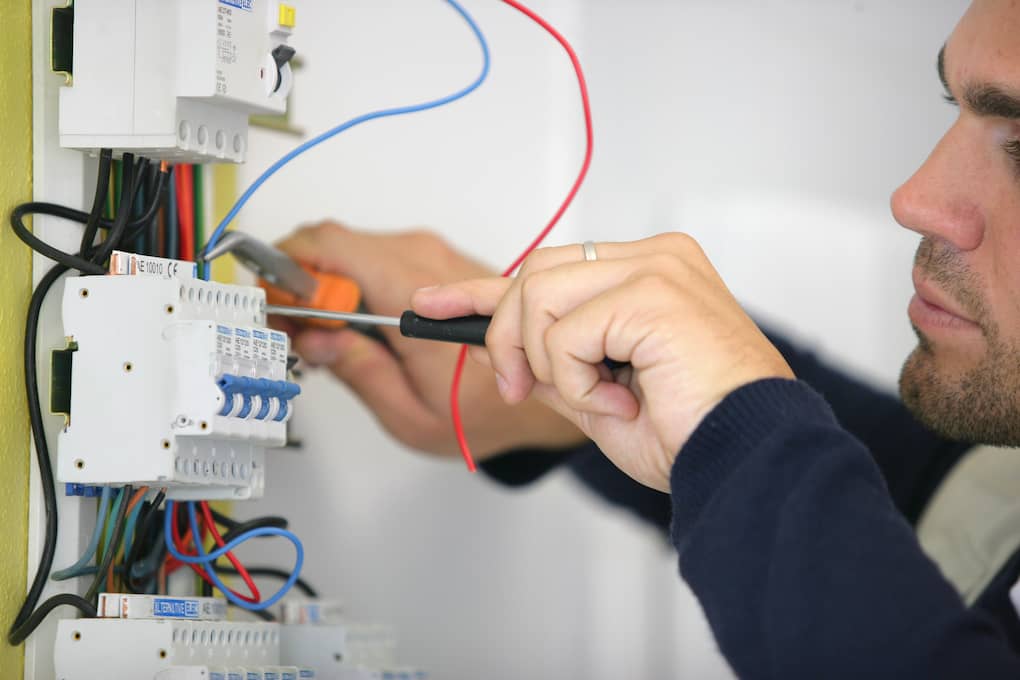
- Arrange remedial work with a qualified electrician
- Have the work tested and certified
- Obtain confirmation that the installation is now satisfactory
Prompt action helps restore safety and compliance quickly.
Do I Need To Fix C3 Issues On An EICR?
No, C3 issues do not need to be fixed for an EICR to pass.
A C3 code means “Improvement Recommended” and indicates that the electrical installation is not unsafe, but does not meet the latest standards.
An EICR will only fail if it contains C1 (Danger Present) or C2 (Potentially Dangerous) observations. A report with only C3 items is still classed as Satisfactory.
C3 issues often relate to older installations that were compliant at the time of installation, such as outdated consumer units or missing modern labelling. While landlords and homeowners are not legally required to address C3 items, some choose to do so to improve safety, future-proof the property, or reduce the risk of more serious issues developing later.
A qualified electrician can advise which C3 recommendations are worth addressing and which can reasonably be left as they are.

How TP Electrical Can Help
At TP Electrical, EICR inspections are carried out with clarity and transparency. Any issues found are clearly explained, along with practical guidance on what needs attention and why.
Whether the report relates to a home, rental property, or commercial premises, the focus is always on safety, compliance, and long-term reliability.
Failed An EICR Or Unsure What The Report Means?
EICR failures are more common than many people expect, particularly in older properties or where electrical systems have been modified over time. Understanding what causes an EICR to fail helps homeowners and landlords take the right action without unnecessary stress.
Addressing issues promptly ensures electrical systems remain safe, compliant, and fit for continued use.
If your EICR has highlighted issues, our experienced electricians can explain the findings and help you take the right next steps safely and efficiently.
Contact TP Electrical For Professional Advice
This article is for general information only and does not replace a professional electrical inspection or advice from a qualified electrician.
Sources
The guidance in this article is based on current UK electrical safety standards and recognised industry bodies.
-
- Electrical Safety First – Independent UK charity offering clear guidance on EICRs, electrical safety checks, and understanding inspection results.
https://www.electricalsafetyfirst.org.uk/guidance/safety-around-the-home/ - GOV.UK – Electrical Safety Standards in the Private Rented Sector – Official government guidance explaining landlord responsibilities, EICR requirements, and compliance standards.
https://www.gov.uk/government/publications/electrical-safety-standards-in-the-private-rented-sector-guidance-for-landlords-tenants-and-local-authorities
- Electrical Safety First – Independent UK charity offering clear guidance on EICRs, electrical safety checks, and understanding inspection results.
-
- NICEIC – UK electrical regulatory body providing professional guidance on inspection, testing, and EICR observation codes.
https://niceic.com/householders/electrical-services/electrical-installation-condition-reports/
- NICEIC – UK electrical regulatory body providing professional guidance on inspection, testing, and EICR observation codes.
-
- BS 7671 (IET Wiring Regulations) – The UK national standard for electrical installations, including inspection, testing, and classification of observations.
https://electrical.theiet.org/bs-7671/
- BS 7671 (IET Wiring Regulations) – The UK national standard for electrical installations, including inspection, testing, and classification of observations.
-
- Electrical Contractors’ Association (ECA) – Industry authority offering insight into electrical compliance, inspections, and best practice.
https://www.eca.co.uk
- Electrical Contractors’ Association (ECA) – Industry authority offering insight into electrical compliance, inspections, and best practice.
EAS changes to competence requirements for periodic inspection & testing and low carbon technologies